

Table of Contents
- Signs of Hard Water in Pipes
- How Hard Water Causes Pipe Damage Over Time
- The Impact on Water Heaters and Fixtures
- How to Prevent Burst Pipes in Winter
- Water Softener Installation Benefits for Pipe Protection
- When to Call a Professional Plumber
- Preventative Maintenance for Long-Term Plumbing Integrity
- Conclusion
- Frequently Asked Questions
Last Updated: September 27, 2026
Signs of Hard Water in Pipes
Hard water pipe damage starts quietly. The minerals in your water leave deposits inside your pipes long before you notice a problem. According to the U.S. Geological Survey’s water hardness overview, about 85% of American homes have hard water, and the Roanoke Valley sits in an area where mineral content runs higher than many homeowners realize.
At Classic Plumbing Solutions, we’ve seen what that mineral content does to plumbing systems across the valley. This guide covers the warning signs, the damage, and the protective steps.
What You’ll See and Hear
Your pipes send signals before they fail. Most homeowners miss them.
- White crust around faucets, showerheads, and aerators
- Spotty dishes even after a full wash cycle
- Low water pressure from clogged screens and flow restriction
- Rust-colored stains in sinks from iron staining
- Rumbling or popping from your water heater as sediment accumulates
The popping sound is ignored longest, it means scale has settled at the bottom of your tank.
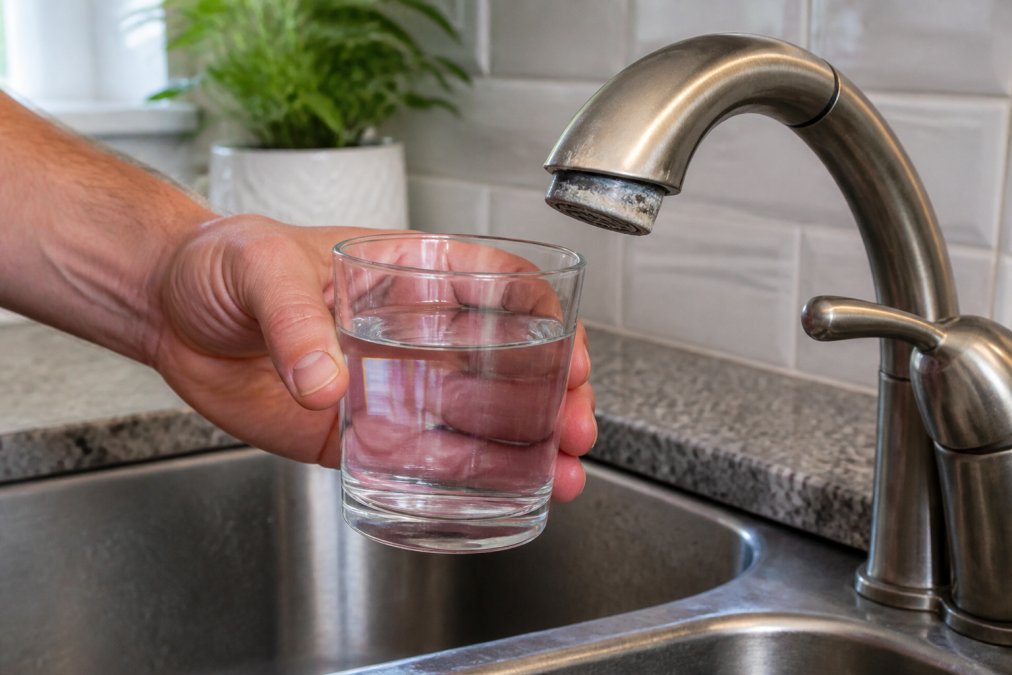
DIY Testing for Water Hardness
You can test your water yourself. Fill a bottle with tap water, add a few drops of pure liquid soap, and shake. If it stays cloudy with little lather, your water is hard.
Home test kits give you a number in grains per gallon. Anything above 7 grains is considered hard.
How Hard Water Causes Pipe Damage Over Time
Hard water damages pipes through mineral buildup, not sudden failure. Calcium and magnesium bind to pipe walls as scale, narrowing the diameter, restricting flow, and trapping sediment.
Pipe Material Sensitivity
Not all pipes handle hard water the same way. Here’s how common materials compare:
| Pipe Material | Hard Water Risk | What Happens |
|---|---|---|
| Copper | Moderate | Scale insulates, acidic water corrodes |
| Galvanized steel | High | Mineral buildup plus internal rust |
| PEX | Low | Resists scale, but fittings can clog |
| PVC | Low | Rarely affected by minerals |
Ignoring a slow drain in a galvanized system often means the pipe is already 70% blocked. By the time water backs up, you’re looking at replacement, not cleaning.
The Impact on Water Heaters and Fixtures
Water heaters take the hardest hit. Sediment settles at the tank bottom, forming a barrier between burner and water that forces the unit to run longer to reach the same temperature.
How to Prevent Burst Pipes in Winter
Frozen pipes cause more winter damage than any other plumbing issue. The fix starts before the first freeze.
- Insulate exposed pipes in crawl spaces, garages, and attics
- Disconnect garden hoses and shut off outdoor spigots
- Let faucets drip on nights below 20°F
- Open cabinet doors under sinks on exterior walls
- Keep heat at 55°F or higher even when you’re away
The pipe most likely to burst is the one on an exterior wall behind a kitchen cabinet. It gets cold air from two directions and almost nobody insulates it.
Water Softener Installation Benefits for Pipe Protection
Most articles about hard water damage stop at repair. Almost none explain the preventative return on treating water before it reaches the pipe.
What Scale Actually Costs You
The damage from hard water is cumulative, not catastrophic. A tank-style water heater with heavy sediment fires longer to reach the same setpoint and loses efficiency well before it fails. A unit rated for 10 to 12 years under soft water may give you 6 to 8 under very hard water.
Softening vs. Conditioning: The Distinction That Matters
Most guides skip this. It changes what you should buy.
Sizing and the Sodium Trade-Off
A softener must be sized to your household, not picked off a shelf. The two variables are water hardness in grains per gallon and daily household water use in gallons. An undersized unit regenerates too often and wears out; an oversized one wastes salt and water.
The Preventative ROI
A softener is not free or maintenance-free, you buy salt, occasionally service the resin tank, and eventually replace the unit. What it buys is avoidance of the failure curve above: fewer fixture replacements, a water heater that reaches its rated lifespan, and pipes that keep their full interior diameter.
If you are not sure whether softening is worth it in your home, test first. A grains-per-gallon number and a look at your pipe material will tell you more than any general recommendation.
Where Softening Fits in the Repair Sequence
Softening is preventative, not restorative. If a pipe is already 70% blocked with scale, a softener won’t clear it, you still need mechanical removal such as hydro-jetting or, in severe cases, pipe replacement. The right order: clear what’s there, then install treatment so it doesn’t come back. Homeowners who soften an already-scaled system often feel it did nothing, because the restriction was already in place.
When to Call a Professional Plumber
Some problems need a pro. Call one when you see:
- Water pooling near the water heater base
- Pinhole leaks in copper or galvanized pipe
- Pressure that drops across the whole house
- A water heater over 10 years old with rising bills
- Any leak you can’t trace to a fixture
Preventative Maintenance for Long-Term Plumbing Integrity
Preventative maintenance is cheaper than emergency repair, every time. But “get a yearly check” is a slogan, not advice. What protects a plumbing system is a schedule tied to your pipe material and water chemistry, plus a few DIY tasks.
A Maintenance Calendar That Matches Your Pipes
Not every home needs the same routine. The right tasks depend on what is inside your walls.
The Tasks Worth Doing Every Year
- Flush the water heater. Sediment settles at the tank bottom and insulates the burner from the water. Draining a few gallons from the bottom valve yearly removes most of it, the single highest-value annual task in a hard water home.
- Test the shutoff valves. A valve unturned for five years may not close during a leak. Exercise every angle stop and main valve yearly.
- Check the water pressure. A gauge on an outdoor spigot tells you your static pressure. Sustained pressure above the typical residential range stresses joints and accelerates wear scale has already started.
- Inspect exposed pipes in crawl spaces, basements, and garages. Look for crust, staining, or moisture. These visible runs are usually the first to show a problem.
- Clean aerators and showerheads. Cosmetic on the surface, but it tells you how fast minerals accumulate. If you descale them every few months, the same process is happening inside your pipes.
Hydro-Jetting vs. Snaking for Mineral Blockage
This distinction matters in a hard water home. A drain snake pokes a hole through a blockage and leaves the rest of the scale on the pipe wall. Hydro-jetting uses high-pressure water to scour the full interior circumference, removing the mineral layer rather than piercing it.
Water Quality Analysis: The Starting Point
You cannot maintain against a problem you haven’t measured. A water quality analysis tells you hardness in grains per gallon, plus iron and manganese levels, pH, and other parameters that affect how aggressively your water attacks your pipes.
What Maintenance Cannot Fix
Be realistic about the limits. Maintenance slows deterioration and catches problems early, but it does not reverse existing corrosion, restore a pipe that has lost most of its interior diameter, or repair a failing joint. When a galvanized system shows pressure loss at multiple fixtures, the honest recommendation is replacement, not another round of cleaning.
The best time to deal with hard water damage is before you see it. Once pipes start leaking, you are paying for repairs, not prevention, and the maintenance calendar above is what keeps you on the right side of that line.
Conclusion
Hard water pipe damage builds slowly, which makes it easy to miss. The signs are there if you know where to look: crusty faucets, popping water heaters, dropping pressure. Testing your water takes minutes, and a softener or maintenance plan protects your pipes for years. Homeowners who stay ahead of mineral buildup spend less on repairs and get more life from every fixture and appliance.
Frequently Asked Questions
Can hard water damage your pipes?
Yes. Hard water leaves calcium and magnesium deposits that build up as scale inside pipes. Over time this narrows the pipe diameter, restricts flow, and can lead to corrosion and pinhole leaks. The damage happens gradually, so most homeowners do not notice until they see reduced water pressure or a leak. In the Roanoke Valley, where water hardness runs higher than the national average, this process speeds up. Regular maintenance and a water softener can slow it down significantly.
What are the signs of mineral buildup in home plumbing?
Watch for white crust around faucets and showerheads, reduced water pressure at multiple fixtures, discolored water, and a water heater that takes longer to heat. You may also hear banging or rattling in pipes. These are the same signs of hard water in pipes that plumbers look for during an inspection. If you notice two or more of these, schedule a water quality analysis and ask about descaling options before the buildup causes a leak.
Do water softeners ruin copper pipes?
No. Properly installed water softeners do not damage copper pipes. Softened water is not corrosive to copper when the system is set up correctly. The real risk to copper comes from acidic water or high mineral content that eats away at the pipe wall from the inside. Many Roanoke Valley homes have naturally corrosive water, and a softener actually helps by removing the minerals that contribute to scale and pinhole leaks. Have a plumber check your water chemistry before installation.
How do I prevent burst pipes during a Roanoke Valley winter?
Insulate exposed pipes in crawl spaces, basements, and attics. Disconnect garden hoses and shut off outdoor spigots. During hard freezes, let faucets drip slightly and open cabinet doors under sinks to let warm air circulate. If you leave town, keep your thermostat at 55°F or higher. Know where your emergency shutoff valve is and test it before winter. These steps reduce the chance of a burst pipe and the moisture damage that follows. A plumber can also inspect vulnerable sections before the first freeze.
