

Table of Contents
- What a Roanoke Residential Plumbing Maintenance Plan Includes
- Benefits of Annual Plumbing Inspections for Your Home
- Your Residential Plumbing Maintenance Checklist
- How to Prevent Burst Pipes in Winter
- Water Quality and Pressure Checks in the Roanoke Valley
- Calculating the ROI of a Plumbing Maintenance Plan
- Conclusion
- Frequently Asked Questions
Last Updated: September 20, 2026
What a Roanoke Residential Plumbing Maintenance Plan Includes
A roanoke residential plumbing maintenance plan bundles scheduled inspections, priority scheduling, and member-only pricing into one recurring program. At Classic Plumbing Solutions, these plans have shifted from a nice-to-have into a genuine budgeting tool for homeowners across the valley. The core idea: catch small problems before they become Saturday-night emergencies.
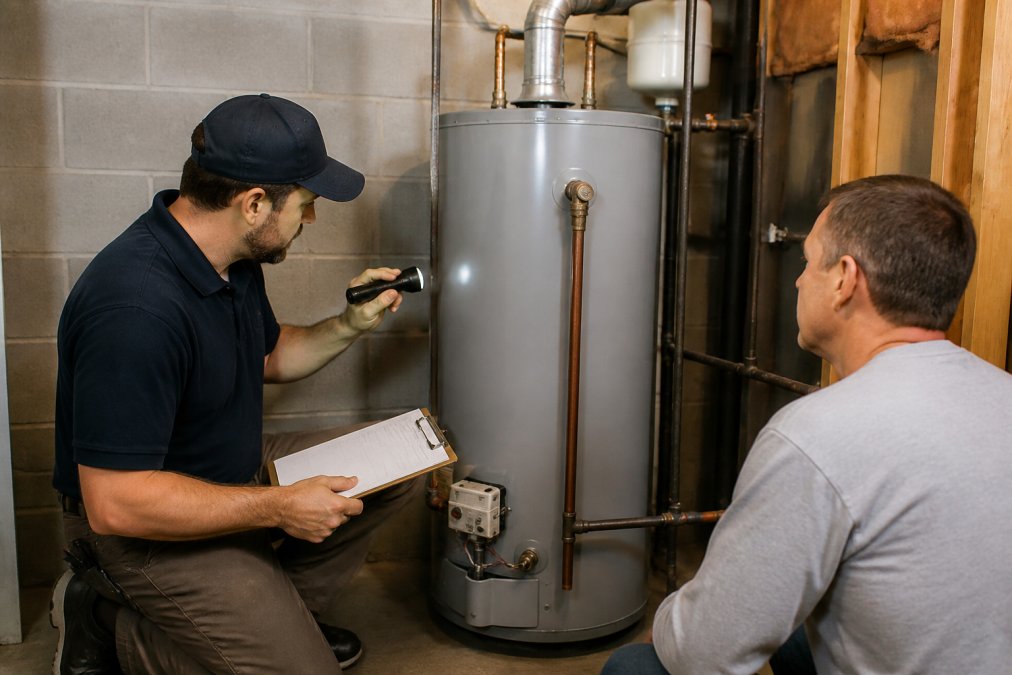
Annual Inspection Checklist: What Technicians Examine
A thorough annual inspection goes well beyond turning on a few faucets. A licensed technician should work through the whole system, from the water heater to the main sewer line.
- Water heater flushing to clear sediment and protect the tank
- Leak detection at visible supply lines and under sinks
- Water pressure regulation checks at exterior and interior spigots
- Drain cleaning and flow testing on kitchen, bath, and laundry lines
- Sewer line inspection for root intrusion or pipe corrosion
- Sump pump testing where a basement or crawlspace is present
- Fixture performance checks on toilets, shutoff valves, and supply stops
Priority Scheduling and Member Benefits
Priority scheduling means plan members move to the front of the queue when they call, ahead of non-members on the same day. For a household with one bathroom, that difference is the whole ballgame.
Benefits of Annual Plumbing Inspections for Your Home
The clearest benefit of an annual plumbing inspection is cost avoidance. Catching a slow leak or corroding fitting early costs a fraction of what the same problem costs after it has damaged drywall, flooring, or a ceiling.
Preventative Maintenance vs. Emergency Repairs
Preventative maintenance is scheduled work on a healthy system; emergency repairs are reactive work on a failed one. The two aren’t competitors, they’re a trade-off.
| Approach | Typical Timing | Cost Profile | Disruption |
|---|---|---|---|
| Preventative maintenance | Scheduled annually | Predictable, budgeted | Minimal, planned |
| Emergency repairs | Whenever failure occurs | Unpredictable, often higher | High, unplanned |
Your Residential Plumbing Maintenance Checklist
A residential plumbing maintenance checklist is the practical core of any plan. Use the list below to track what’s done and what’s due. A licensed technician should handle anything involving the water heater, sewer line, or main shutoff; the rest you can monitor yourself between visits.
- Test every shutoff valve under sinks and behind toilets
- Check for moisture or staining under cabinets and around the water heater
- Run each drain and note any slow flow
- Inspect exposed supply lines for corrosion or mineral buildup
- Test the sump pump by pouring water into the pit
- Check water pressure at an exterior spigot
- Flush the water heater if it hasn’t been done this year
- Look for green or white staining near copper fittings
DIY vs. Professional Maintenance: What You Can Handle
Homeowners can handle monitoring, visual checks, and simple tasks like replacing a showerhead or clearing a hair clog. Anything requiring opening a wall, working on the water heater, or snaking a main line belongs with a professional.
Skipping the annual water heater flush is a common mistake. Sediment builds up, the tank works harder, and the unit fails years earlier than it should. The flush itself is quick. The replacement is not.
How to Prevent Burst Pipes in Winter
Knowing how to prevent burst pipes in winter comes down to three things: keep them warm, keep water moving, and know where your main shutoff is. Water expands when it freezes, and the pipe splits at the weakest point, often somewhere you can’t see.
The Temperature Threshold That Matters
Most guidance says “protect your pipes when it freezes.” The more useful number is sustained outdoor temperatures at or below roughly 20°F for multiple hours. At that point, pipes in unconditioned spaces, crawlspaces, garages, attics, exterior walls, are at real risk even if the rest of the house is warm. A three-day cold snap is more dangerous than a single cold night, because the structure itself gets cold and stops buffering the pipes.
The Checklist
- Insulate pipes in unheated areas like crawlspaces, garages, and attics
- Disconnect garden hoses and shut off exterior spigots before the first hard freeze
- Let a thin trickle run from the faucet farthest from the main on the coldest nights
- Open cabinet doors under sinks on exterior walls so warm air reaches the pipes
- Keep the thermostat at a consistent temperature, day and night, during cold snaps
- Locate your main shutoff valve now, before you need it in a hurry
- Seal gaps where cold air enters around pipes, vents, and foundation penetrations
- If you leave town during winter, don’t set the thermostat below the mid-50s
Where Pipes Actually Freeze in a House
The list of high-risk locations is short and predictable: exterior wall cavities behind kitchen and bathroom sinks, unheated crawlspaces and basements, attics where supply lines run above insulation, garages with an exterior wall, and hose bibs with their short feed pipe. If your home has any of these, spend your attention there, not on pipes running through heated living space.
If a Pipe Does Freeze
Don’t wait for it to thaw on its own and don’t use an open flame. Shut off the main, open the nearest faucet so melting water has somewhere to go, and apply gentle heat, a hair dryer, space heater, or warm towels, starting closest to the faucet and working back toward the frozen section. If you can’t find the freeze point or the pipe has split, call a licensed plumber before restoring pressure.
If you shut off your main and drain the lines before a trip, don’t forget the water heater. Leaving it lit or powered with an empty tank can damage the heating element or the tank itself. Follow the manufacturer’s shutdown procedure.
A maintenance plan member can usually get exterior spigots, exposed crawlspace lines, and the main shutoff checked during the fall inspection, before the first freeze, not after. That timing is the whole point.
Water Quality and Pressure Checks in the Roanoke Valley
Water quality and pressure checks matter more here than in many markets. Valley water tends to run hard, carrying dissolved minerals that build up inside pipes and fixtures. That buildup restricts flow, shortens water heater life, and leaves scale on faucets and showerheads.
If your water pressure reads high, a simple pressure-reducing valve can protect the entire system. It’s one of the cheapest fixes with the longest payoff, and it’s easy to overlook because nothing feels broken yet.
Calculating the ROI of a Plumbing Maintenance Plan
Working out the ROI of a plumbing maintenance plan starts with listing what you’d otherwise pay for: diagnostic fees, emergency rates, and the cost of one mid-size repair. Compare that against the plan’s annual fee plus any member discounts on work performed.
The Four Cost Buckets to Add Up
1. Diagnostic and trip fees. Many companies charge a service call fee just to show up, separate from the repair. Non-members pay it every time; plans typically waive it, so a household that calls a plumber three times a year is already ahead on that line alone.
A Simple Break-Even Framework
You don’t need a spreadsheet. Write down three numbers:
- What you spent on plumbing repairs over the last three years, divided by three. That’s your average annual repair cost.
- The plan’s annual fee.
- The member discount on any work performed, applied to your average repair cost.
If the discounted repair cost plus the annual fee is less than your undiscounted average, the plan pays for itself on repairs alone, before you count the emergency you avoided. If it’s more, the plan is really insurance against a bad year, and that’s a legitimate reason to buy it too.
Why the Math Usually Favors the Plan
The math usually favors the plan for two reasons. First, members pay less per visit, so even routine work costs less. Second, early detection shifts spending from emergency repairs to planned ones. A pinhole leak found during an inspection is a small job. The same leak found after it has soaked a ceiling is a much bigger one.
Run the three-number calculation before you shop plans. Knowing your own average annual repair cost tells you what a plan is actually worth to your household, and it makes it much harder for a salesperson to talk you into coverage you don’t need.
The real ROI of a maintenance plan isn’t the discount. It’s the repair you never have to make because someone caught the problem early.
Conclusion
A plumbing maintenance plan is less about paperwork and more about the discipline of looking before something breaks. Homeowners who get the most from one treat the annual inspection as a checkpoint, not a formality. If you’re weighing whether a plan makes sense, start by listing what you’ve spent on plumbing over the last three years, that number usually answers the question on its own.
Frequently Asked Questions
What does a standard residential plumbing maintenance plan include?
A standard plan covers an annual inspection of your water heater, pipes, fixtures, drains, and shut-off valves. Technicians perform leak detection, water pressure regulation checks, drain cleaning, and sewer line inspection. You also get priority scheduling for emergencies, discounted labor rates on repairs, and a documented maintenance schedule. Plans typically include water heater flushing and sump pump testing where applicable. The goal is catching small issues before they become costly emergency dispatch calls.
How often should you schedule professional plumbing inspections?
Most homes benefit from a professional assessment once a year. If your home has older pipes, a history of clogs, or you have experienced water pressure issues, twice-yearly inspections may be worthwhile. Annual plumbing inspections catch pipe corrosion, slow leaks, and fixture wear early. Between professional visits, you can handle basic tasks like testing shut-off valves and checking for visible drips. A consistent routine is the foundation of any plumbing maintenance plan.
Can a plumbing maintenance plan help prevent burst pipes in winter?
Yes. Regular inspections identify vulnerable pipes, poor insulation, and failing shut-off valves before freezing temperatures arrive. Technicians can insulate exposed pipes, verify that your water heater is running efficiently, and check outdoor spigots for damage. If you want to know how to prevent burst pipes in winter, the most effective step is scheduling a pre-winter inspection. Catching small cracks or weak joints early prevents the catastrophic damage that frozen pipes cause.
What are the long-term cost benefits of a plumbing maintenance plan?
A maintenance plan shifts your spending from emergency repairs to predictable routine maintenance. Catching a slow leak during an annual inspection costs far less than repairing water damage, replacing flooring, or dealing with mold remediation. Member-exclusive discounts on labor and parts add up over time. Water heater flushing extends equipment lifespan by years. While exact savings depend on your home’s condition, the ROI calculation consistently favors prevention over emergency response for homeowners who stay on a maintenance schedule.
