

Quick Summary
You can tell you have a hidden water leak if you see stains, bubbling paint, or damp spots on walls or baseboards, notice musty odors or mold, hear water running when no fixture is on, or see your water bill rise without any change in household habits. A simple meter test with all water off can confirm whether water is still moving through the system.
- Yellow, brown, or gray stains that grow or return often signal ongoing moisture.
- Bubbling or peeling paint in the same spot suggests moisture pushing from behind the wall.
- Shut off all water, read the meter, wait one to two hours, then read it again.
- A sudden bill jump with no change in household habits is a red flag.
- Avoid cutting into walls without a plan, since wires and gas lines may share the cavity.
Table of Contents
Why Hidden Water Leaks in Walls Are Easy to Miss
Hidden water leaks rarely announce themselves with a gush across the floor. They seep slowly, often for months, inside wall cavities, under cabinets, and behind tile. By the time most homeowners notice something is wrong, the damage has usually spread. Knowing the signs early can save a lot of money and stress.
The good news is that most hidden leaks leave clues. For a fuller walkthrough of detection methods, see dedicated guide on finding hidden water leaks. Some are visible, some you can smell or hear, and some show up on your water bill. This guide walks through each type of clue and gives you a simple, safe way to check whether your home has a problem. Classic Plumbing Solutions has served the Roanoke Valley since 1980.
Leaks hide well for a few reasons:
- Walls and ceilings block your view of the pipes
- Water moves down and sideways, so the wet spot may sit far from the source
- Small leaks dry out between uses, so the damage looks intermittent
- Many people only check when something looks obviously wrong
Watch out: Do not assume a dry spot means no leak. Water can travel along a joist or pipe before it shows up on a wall.
Visible Signs: Stains, Bubbling Paint and Warped Materials
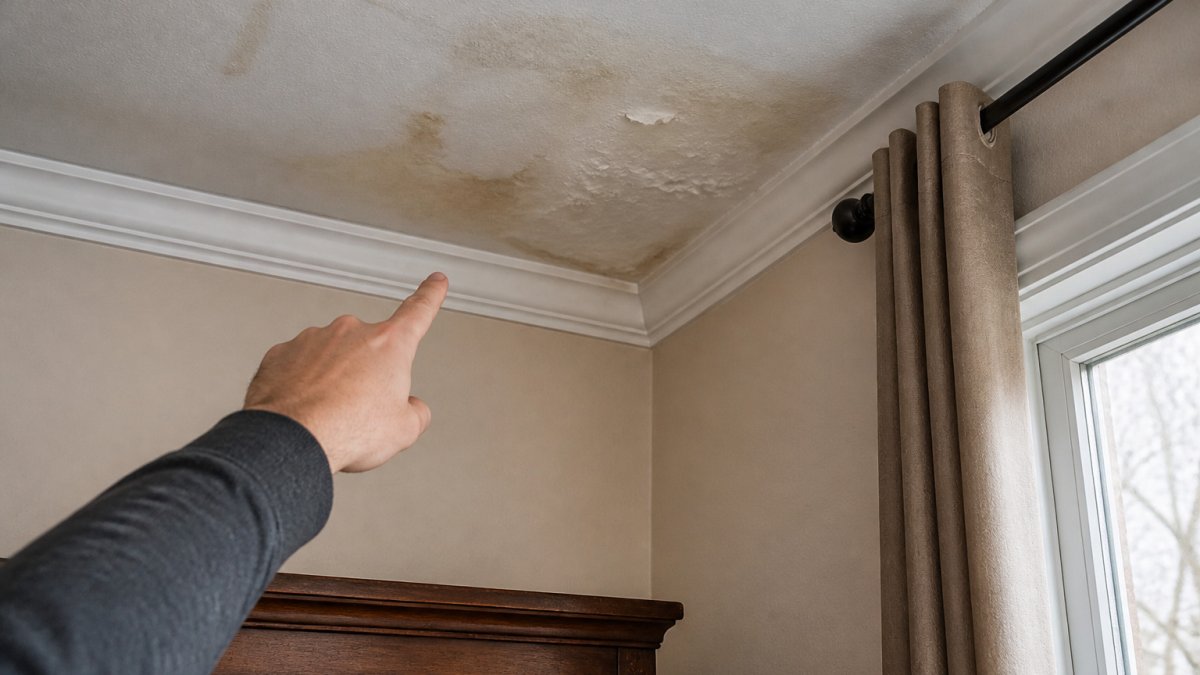
The most common visible sign is a water stain. Stains often look yellow, brown, or gray, and they may form rings as the water dries. A stain that grows or returns after cleaning can be a sign of ongoing moisture.
Look for these signs on walls, ceilings, and baseboards:
- Yellow, brown, or gray discoloration
- Paint that bubbles, cracks, or peels
- Wallpaper that lifts at the seams
- Drywall that feels soft or sags
- Hairline cracks that appear near a pipe run
- Warped baseboards or wood trim
Bubbling paint is especially telling. Moisture pushes against the paint from behind and lifts it. If the bubbles keep coming back in the same spot, check the wall behind them.
Moisture Clues: Damp Spots, Musty Odors and Mold
Damp spots that never fully dry are a strong warning sign. Touch the wall or baseboard. If it feels cool, damp, or spongy, moisture may be trapped behind it.
Musty smells deserve attention too. A closed-up, sour odor that gets stronger in one room can be a reason to investigate for moisture.
Watch for these moisture clues:
- Damp spots that return after drying
- A musty smell that does not go away with airing out
- Black, green, or fuzzy patches on drywall, grout lines, or caulk
- Mildew on baseboards or along floor edges
Watch out: Mold can cause health problems for some people, especially those with allergies or asthma (the EPA). If you see a large mold patch, avoid disturbing it and contact a professional.
Sounds and Bills: Running Water and Unexplained Usage Increases
Listen for water when no fixture is running. A faint hiss, drip, or trickle inside a wall can be a reason to investigate. Turn off all taps and appliances, then listen near walls and under sinks.
Your water bill can reveal a leak even when you cannot see or hear one. Compare your recent bills with past bills from the same season. A sudden jump with no change in household habits is a red flag. Many water utilities offer online usage data that shows daily or hourly consumption, which makes spikes easier to spot.
Signs to check on your bill and meter:
- Usage rises without a change in how many people live in the home
- The meter keeps moving when every water source is off
- Water pressure drops in one area of the house
- Sounds of dripping or running water inside walls
How to Detect a Water Leak Behind a Wall Safely
You can run a basic check before opening anything. Start by shutting off every faucet, appliance, and toilet. Then read your water meter, wait one to two hours without using any water, and read it again. If the numbers changed, water use may be occurring somewhere in the system.
Next, narrow down the area. Use these simple steps:
- Check the wall areas that match the stains or damp spots you found
- Feel for warmth on floors
- Look under sinks, behind toilets, and around water heaters
- Note the location before the signs fade or spread
Avoid cutting into walls to look for leaks unless you have a plan. Electrical wires and gas lines can run through the same cavities as pipes. If you are unsure where lines run, stop.
Water Leak Detection Without Tearing Walls
Most homeowners want to find the leak without making a mess. Our residential plumbing maintenance plan guide explains how routine checks can catch leaks early without invasive work. Start with the non-invasive methods above: the meter test, close listening, and visual checks around fixtures. These cost nothing and often point to the right area.
Other low-impact steps include:
- Placing a dry paper towel near a suspected spot and checking it later for moisture
- Looking at the base of cabinets and along the floor for soft or discolored areas
- Keeping a simple log of stains, smells, and bill changes with dates
Because these methods only narrow the search, many leaks still need a professional pinpoint.
Using a Water Meter Test for Leaks and Hidden Pipe Leak Repair Cost
Shut off all water use, record the meter reading, wait, and check again.
Repair costs depend on the specific repair, the access needed, and the materials involved.
For current pricing on your situation, contact Classic Plumbing Solutions for a quote. The company provides upfront pricing with customer authorization before work begins.
Booking Your Leak Inspection With Classic Plumbing Solutions
If your checks point to a hidden leak, further investigation may be needed to confirm it. Classic Plumbing Solutions has served the Roanoke Valley since 1980 and is BBB Accredited with an A+ rating. Our technicians are drug tested and background checked, and we provide upfront pricing with your authorization before any work starts. Every repair carries our 3-Way Warranty on parts, labor, and services.
We also offer project financing and discounts for seniors and military families. Call us to discuss your situation.
Frequently Asked Questions
How can you tell if there is a leak behind a wall?
Look for a combination of clues rather than one sign alone. Yellow or brown stains, paint that bubbles or peels, a soft or warped baseboard, and a musty smell near the same wall are strong indicators. Check your water meter with all fixtures off: if the meter keeps moving, water is flowing somewhere in the system. Confirming the location is the next step.
Can a water leak behind a wall increase your water bill?
A hidden leak may be one possible reason for a higher-than-normal bill. Compare your current bill with the same month last year and note any sudden jump. Pair that with a meter test: with every faucet, appliance and toilet off, a meter that still moves indicates water use somewhere in the plumbing.
Can you live in a house with water damage behind the walls?
Whether it is safe to remain in a house with water damage depends on the circumstances. If you have concerns, seek an assessment from an appropriate professional.
How much does it typically cost to fix a water leak?
Contact Classic Plumbing Solutions for current pricing. The company provides upfront pricing and obtains customer authorization before work begins.

